Mehmed Kerem Uludag

Michigan Autonomous Aerial Vehicles (MAAV)

I joined MAAV during my first semester at UM (Winter22), and my experiences at MAAV have been one of the highlights of my undergraduate career thus far. I have held multiple leadership roles, including software lead, vice-president, and president of MAAV.

I had so much fun applying coursework from my EECS classes to a small electronic board attached to motors and watching it fly (autonomously). I worked on computer vision tasks to color mask and filter out the communication mast from its surroundings.
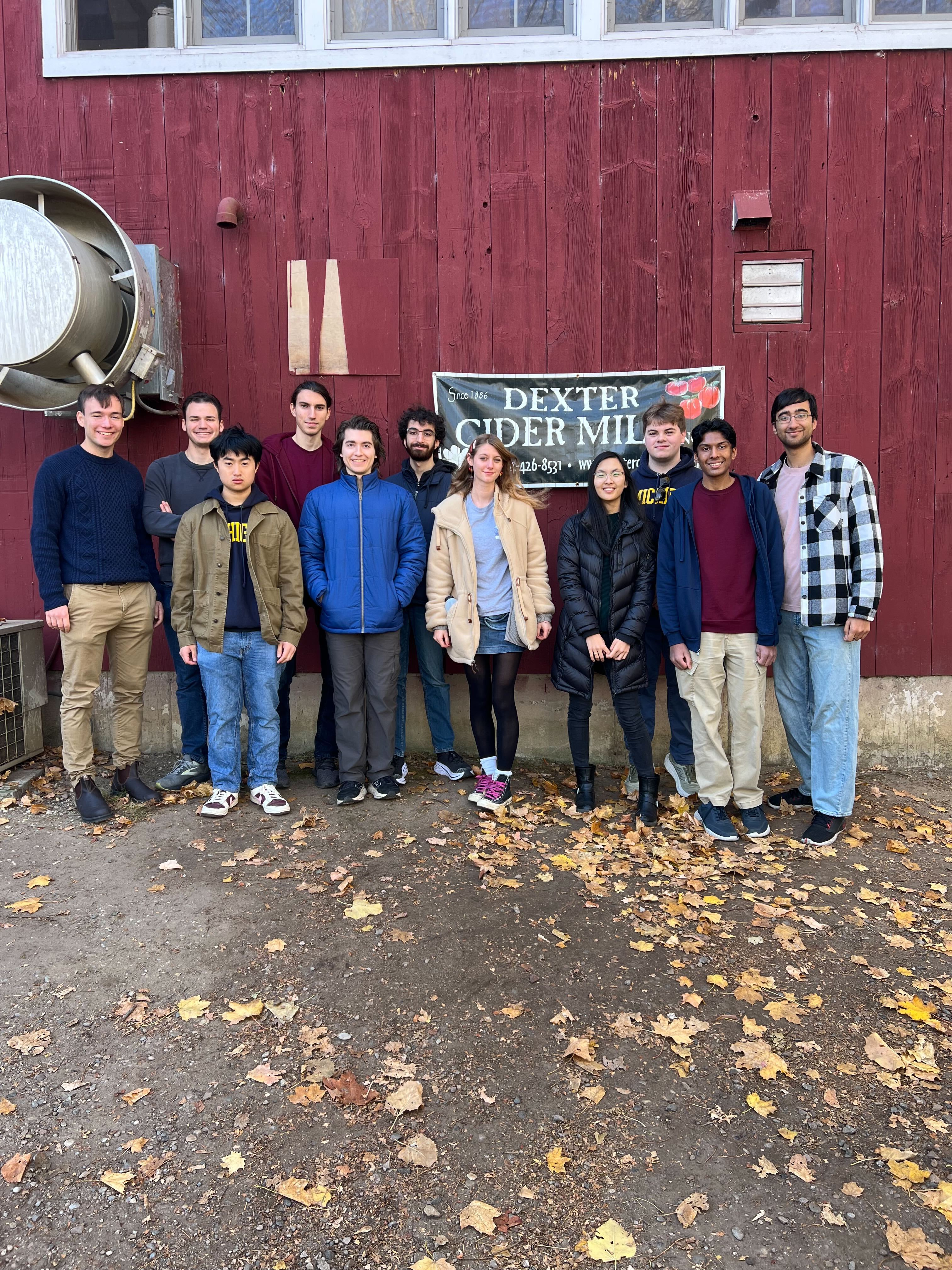
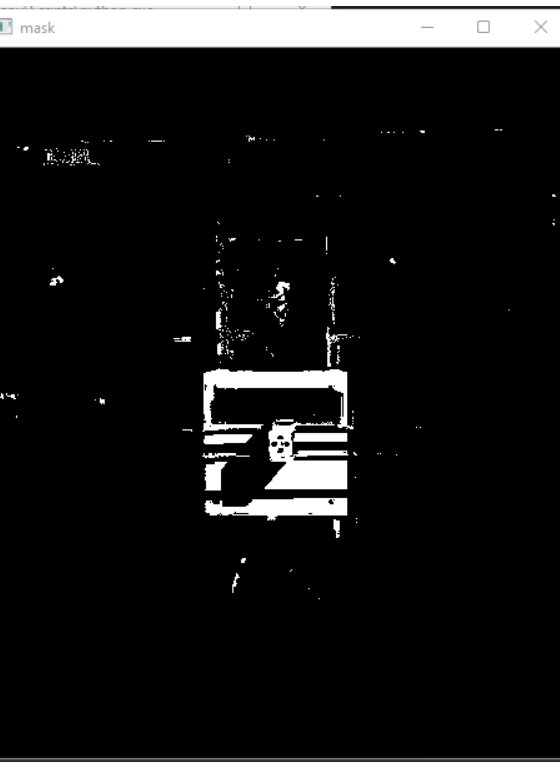
MAAV Group Photo Masked Communication Module Filtered

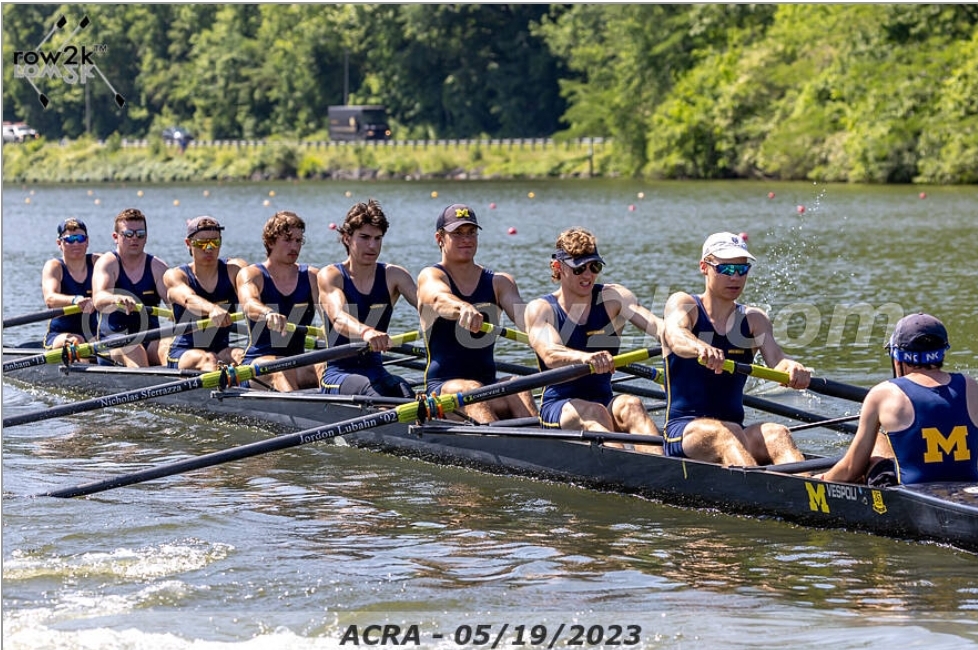
Rowing

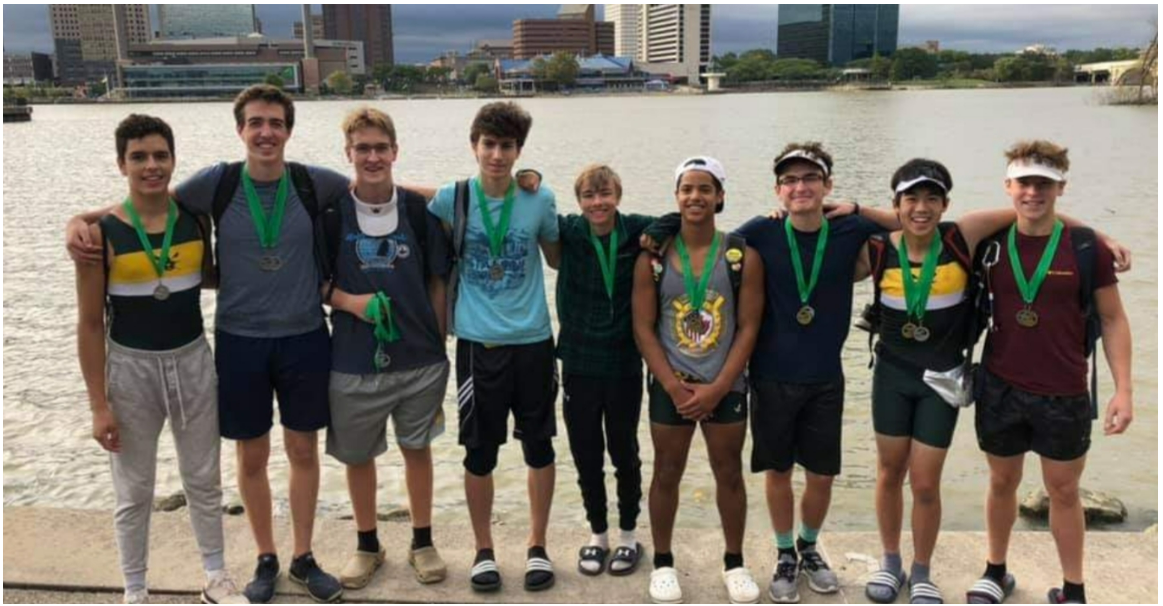
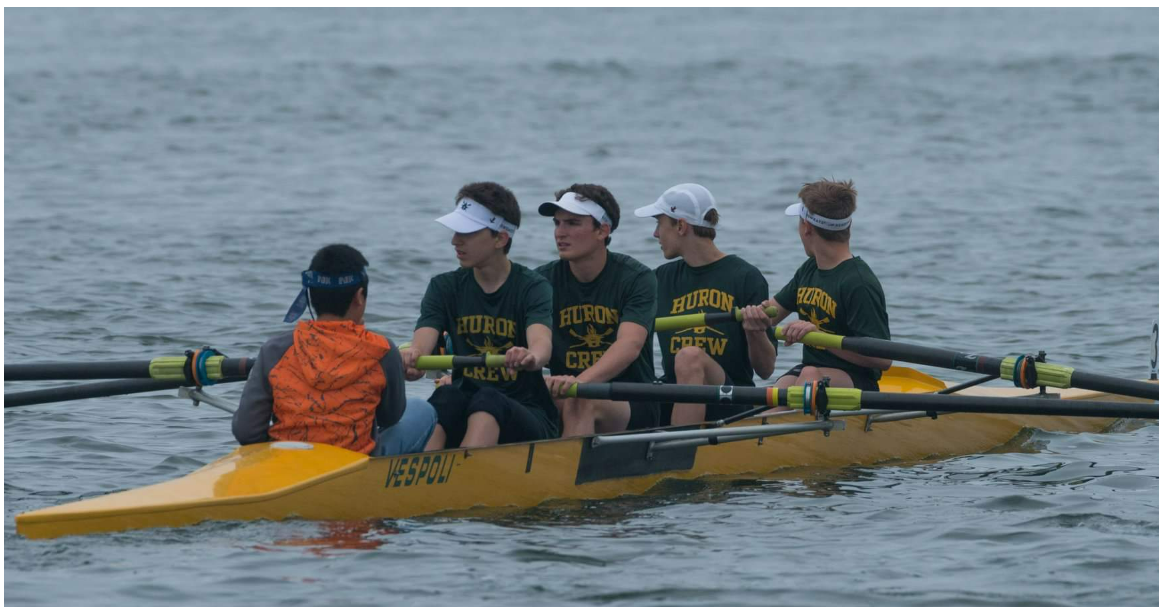
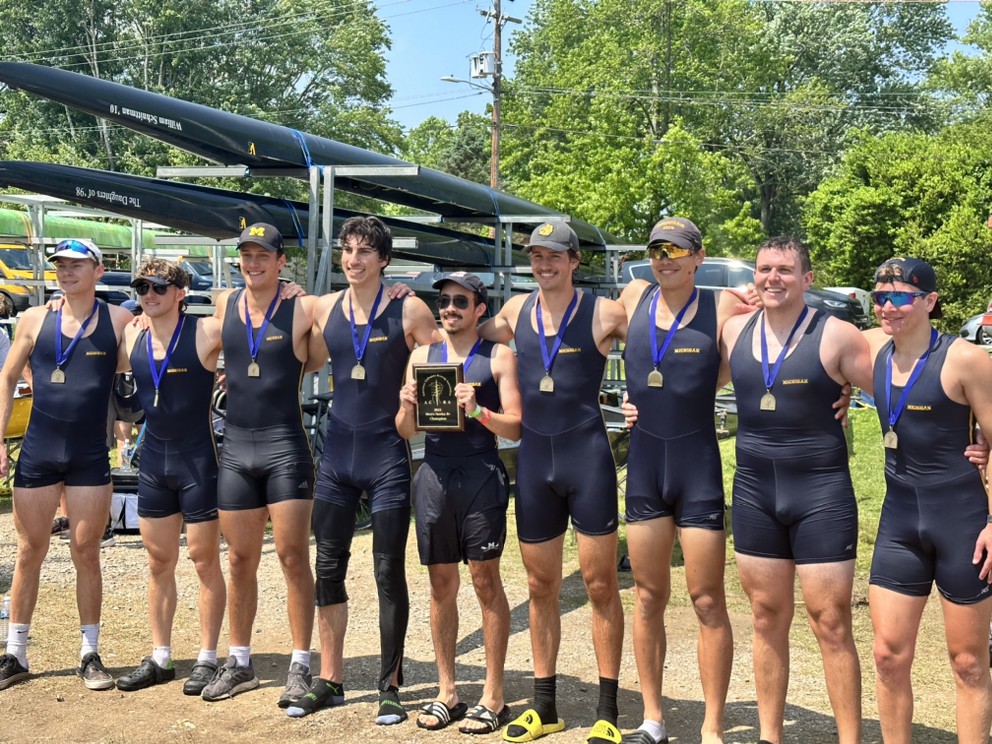
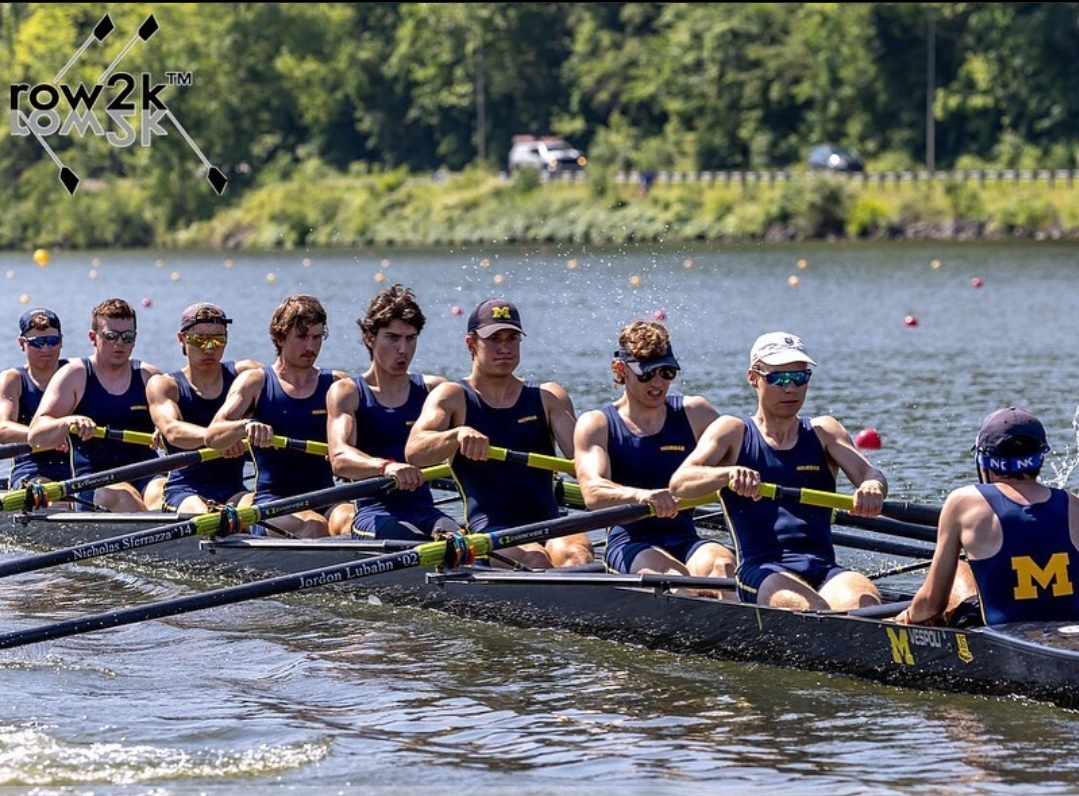
I first started rowing in my freshman year of high school. I developed a deep passion, partly because of the physical and mental benefits of the daily outdoor workout, but also in large part due to the connections I made and the community I felt a part of. I didn't have a chance to join the Michigan Men's Rowing team last season because I came to the University in the Winter term. I did not even have plans of joining this semester until I was recruited by some of my old high school friends I rowed with. I was reluctant in joining because I had a pretty rough schedule with 16 credits (two difficult EECS courses), my work in MAAV, and of course my part-time job at ARC, however, I decided to give it a try, and if anything it has made me even more productive with my time. Since the start of the term, I have frequently found myself in "panic mode" where I always have things that I need to do, so I spend less time on unnecessary things (like social media) and I am always trying to maximize my efficiency when doing assignments, projects or studying. My grades have also reflected this concept almost halfway through the semester compared to my grades in Winter 22, even though I have much tougher classes.

Rowing Team Rowing Practice Rowing Team Rowing Practice Rowing Team Rowing Practice

PJTL

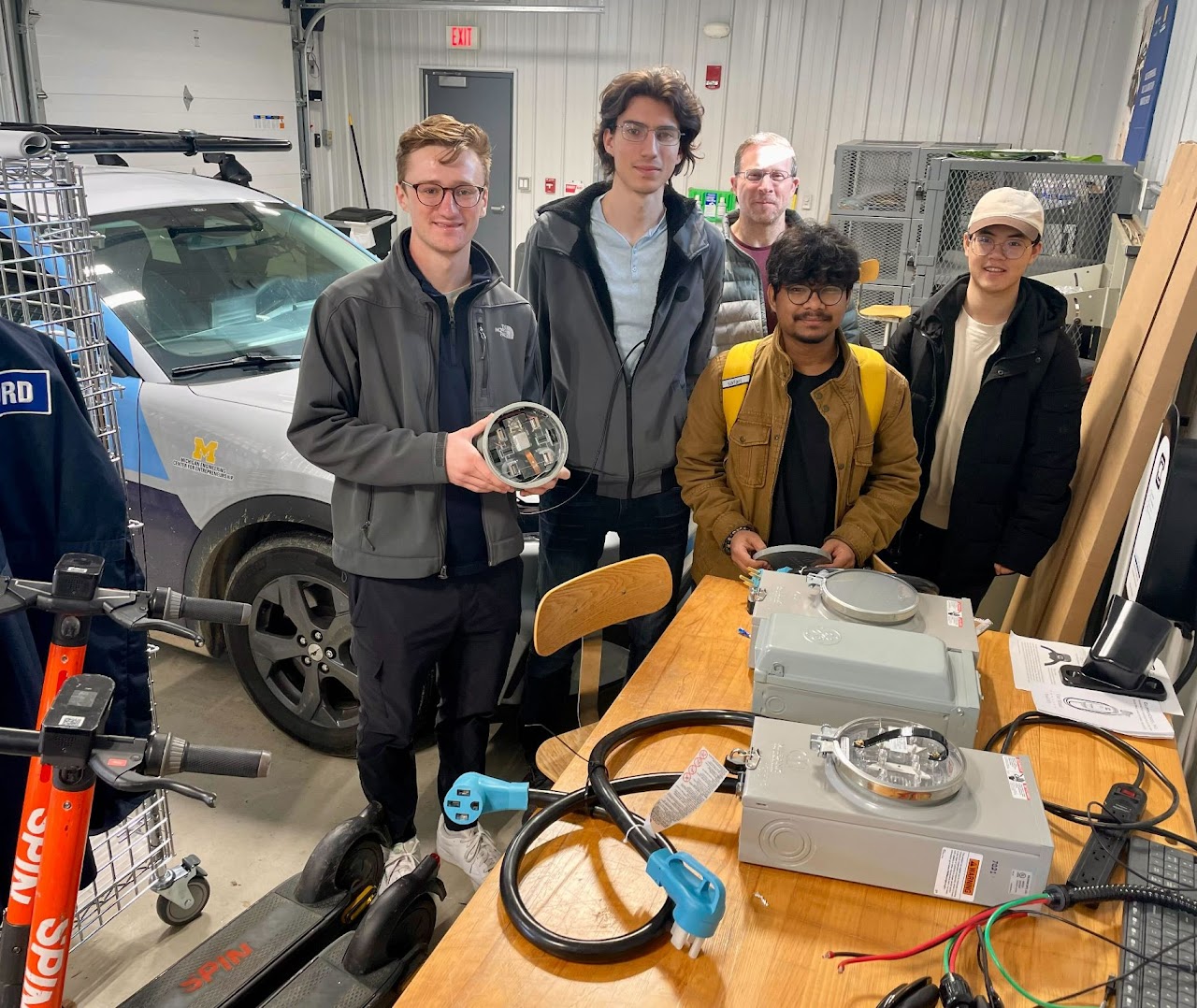
PJTL Tech Lab Project: I got admitted to a year-long project where I was placed in a team and paired up with a local start-up named Utilidata. Going into start-ups has been a dream of mine for a while, and getting some hands-on experience really helped me understand the realities of that sort of environment. It will be nice to compare it to my upcoming internship at a much bigger company and see the differences in expectations, success measurements, flexibility, and overall environment between the two

Rowing Team

First Conference

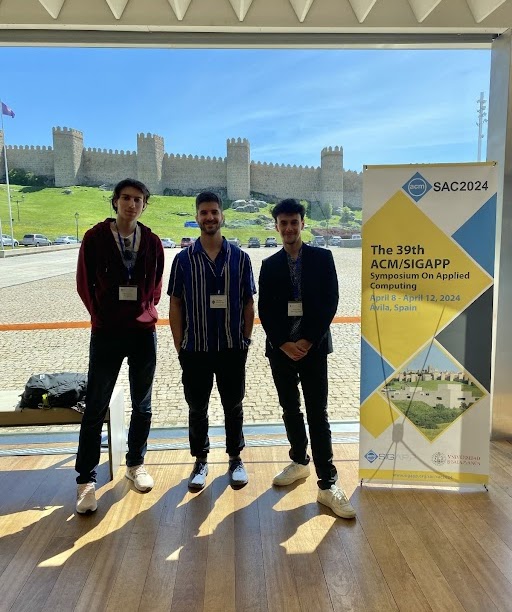
First paper presentation & publication: On April 10th, 2024, I had the opportunity to attend the ACM Symposium on Applied Computing in Avila, Spain to be able to present my first research paper and get it published. The conference was an amazing experience where I got a lot of good feedback and met a lot of very cool people from around the world attending the conference. This experience really solidified me wanting to pursue a research-oriented career and attend grad school to attend even more conferences like this one.

Rowing Team

Midwest RCD Symposium 2024

Due to my research and my part-time job at ITS ARC (Advance Research Computing), I am a frequent user of the high-performance clusters at UMich. So I was thrilled when the opportunity arose to attend the Midwest Research Computing and Data Consortium Annual Meeting with the support of the Student Experience Program. Midwest Research Computing and Data Consortium was a two-day event where I had the chance to meet many different faculty and staff from various Midwest universities, as well as professionals in the supercomputing field. The conversations I had with these individuals helped me to gain valuable insights into their roles, academic journeys, and professional experiences, which deeply resonated with me and my own involvement in ARC over the past two and a half years. One of the highlights of the event was the mentorship component facilitated by the Student Experience Program. I was paired up with Scott Hampton who is the Associate Director, High Performance Computing at Notre Dame. My interactions and conversations with Scott were definitely one of the biggest takeaways for me from the entire experience as I got to learn a lot from his academic background and potential future pathways and career opportunities for me within the field. He also answered all of my questions with great detail and genuinely seemed to be as excited to attend the consortium as I was. Another significant aspect of the consortium was the presentations delivered by various experts. These presentations covered a wide range of topics, spanning from discussions on different supercomputing clusters and user surveys/studies to insights on writing better grants and upcoming tools, resources, and communities in various areas of AI. One specific presentation that particularly intrigued me was the one on "Gen AI for Science, Trillion Parameter Consortium" by Charles Catlett. The applications and fine-tuning procedures of the foundational models discussed in this presentation were fascinating, especially considering the similarity it had with my research, just being on a much bigger scale. It provided unique perspectives into the potential future directions and advancements concerning the applications of Gen AI. In conclusion, I am sincerely grateful for the opportunity to participate in the Midwest Research Computing and Data Consortium Annual Meeting. The knowledge, connections, and inspiration gained from this experience will undoubtedly benefit me greatly in my academic and professional journey moving forward. I extend my heartfelt gratitude to the organizers, mentors, and fellow attendees for making this event possible.

Bosch Internship

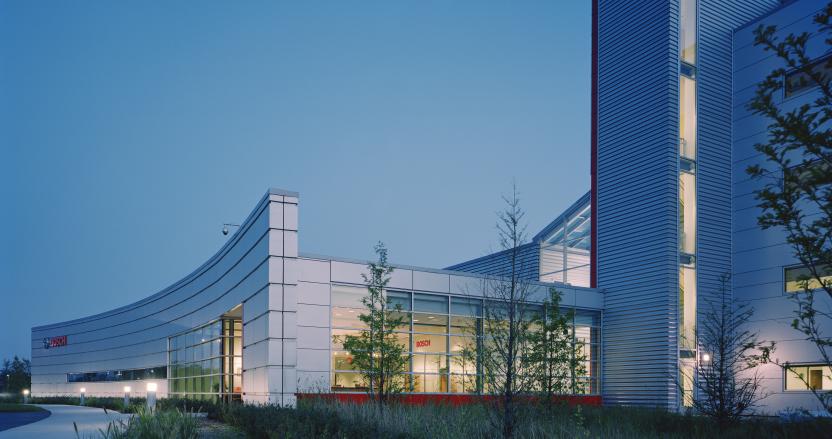
Over the Summer of 2024, I interned at Bosch. I was in the Cross Computing Department, working in the Automated Park Assist (APA) Team. I learned a lot from working in an application team from the sales side to project acquisition from customers to KPI requirements & testing. My biggest project was an Auto-Labeler program that would take height classification traces and create bounding boxes around the object that was required. It used some object classification and coordinate system manipulation to give the exact local coordinates of the four corners of the bounding box that would be used to train the Height Classification Algorithm. Before this project, the team would send the raw traces to a Bosch team in India, which would charge 3 dollars per trace to manually label each one.

Rowing Team